Why venue context belongs in the technology conversation
A good conversation about venue technology starts with what the team is trying to achieve.
That might be a manager explaining an awkward step during service. It might be someone preparing a new promotion, or a team member asking why a process works differently at another counter.
The useful detail is often in the explanation behind the request.
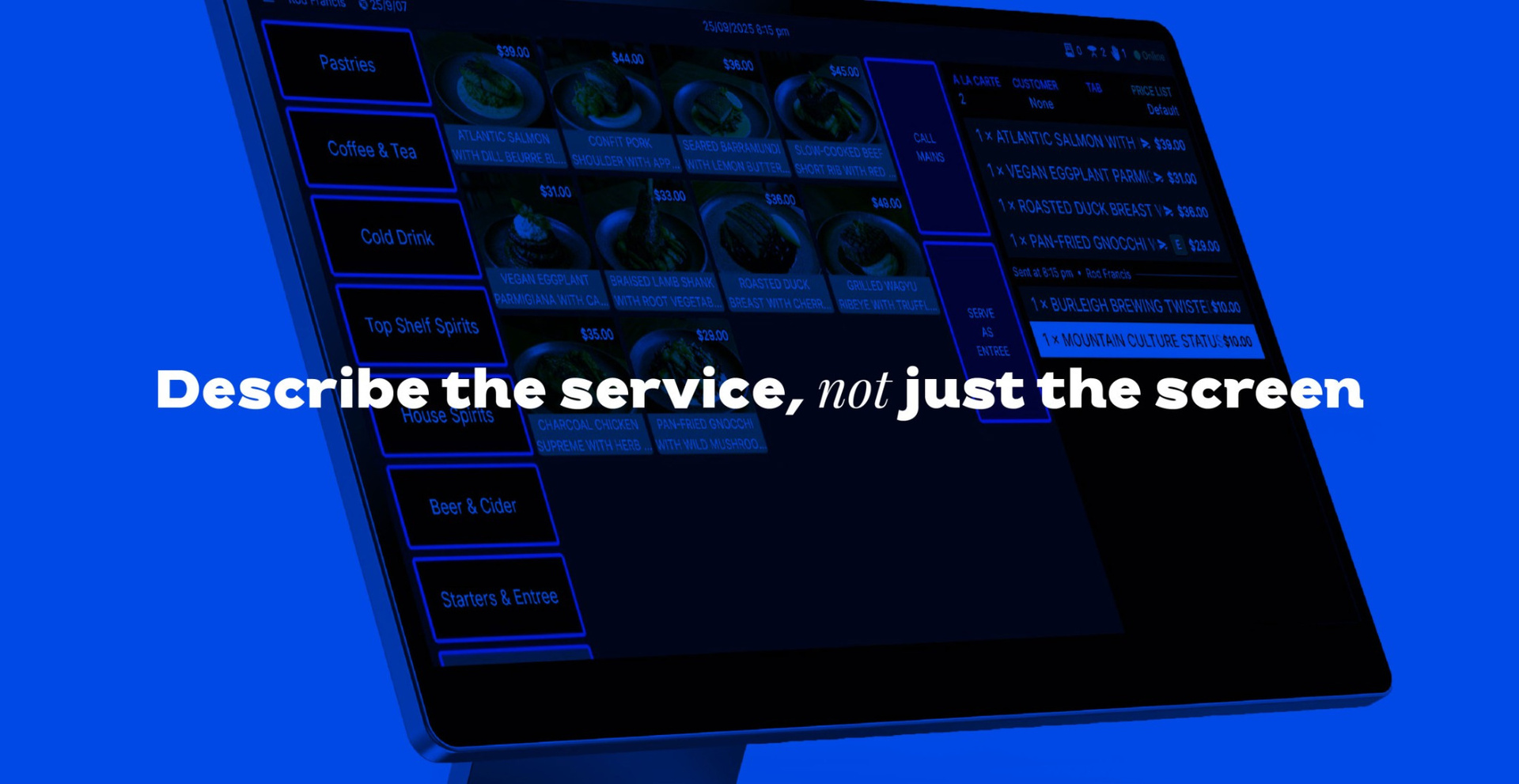
“Can this button move?” is a reasonable question. “Our team uses this function repeatedly during the dinner shift, and here is what happens around it” gives the conversation more context.
It helps separate a training question from a configuration question, and either of those from a potential product improvement.
Those are different conversations. Each deserves a useful response rather than an assumption that every request needs the same answer.
Local knowledge has practical value
Paimnt’s development and support are local, with a support team based in South East Queensland. Our POS specialists work with the needs of individual venues, supported by continuity across onboarding, installation and the ongoing relationship.
For an operator, that makes the people behind the software part of the consideration, alongside what appears on the screen.
It is worth asking who understands your setup, how you raise a question and how an operational need is explained to the right people. These questions matter both before and after a system goes live.
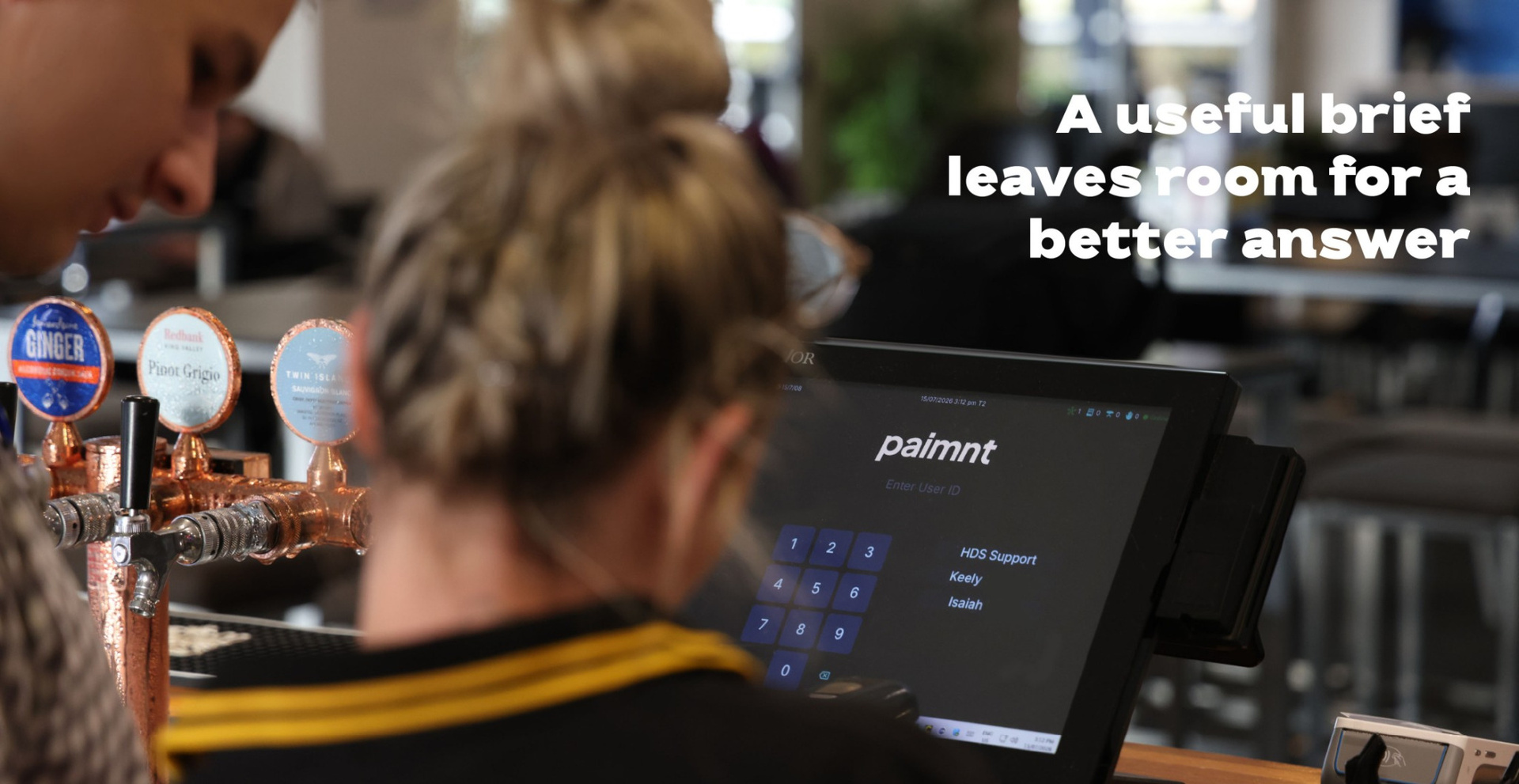
When discussing a change, tell your provider what the team wants to achieve, where the current process becomes awkward and how often the situation occurs.
Be clear about which parts are essential. There may be a suitable existing workflow. There may be a configuration or training opportunity. A new development request may need further investigation.
Close access to expertise does not mean every suggestion becomes a feature. It means the discussion can be grounded in the venue’s actual needs.
Keep the outcome in view
For a hospitality team, the aim is usually practical: make a task clearer, reduce unnecessary steps or help staff feel more confident using their system.
That is the level at which a technology discussion becomes useful.
At Paimnt, local support and development are an important part of the relationship. Bring us the operational question and together we can find the proposed answer. Knowing what you are trying to achieve gives the conversation somewhere productive to go.